.png)
What the Wild West Can Teach Us About Marketing Today

After spending some time in Wyoming, Kevin started thinking about what marketing must have looked like during the days of the Wild West.
Wyoming’s frontier era took place primarily during the second half of the 1800s. The territory was established in 1868, and Wyoming officially became a state in 1890. Towns were developing quickly around railroads, mining, ranching, and trade. As new businesses opened, owners had to find ways to stand out, attract travelers, and earn the trust of people who may have only recently arrived in town.
They obviously didn’t have websites, social media, or Google Ads, but marketing was already an important part of doing business…
Join us as we look at how businesses marketed their products and services in the Wild West and explore the strategies we still use today !If you’re a fan of the television series Yellowstone or simply enjoy Wild West history, you’ll like this edition!
Marketing before, and without the internet
The internet changed how many businesses market their products and services today, and yet the winning principles are mostly unchanged...
Print marketing was really the only (and best) way for businesses to invest in their marketing pre-1950s. That was until radio marketing and television changed marketing forever.
Therefore, in Wyoming in the late 1800s, business owners relied heavily on signs, newspaper advertisements, posters, handbills, and word of mouth. A hotel might advertise clean rooms or a hot meal, or a general store would display its products where people passing through could see them. Blacksmiths, photographers, saloons and other local businesses used memorable signs and clever wording to get attention.
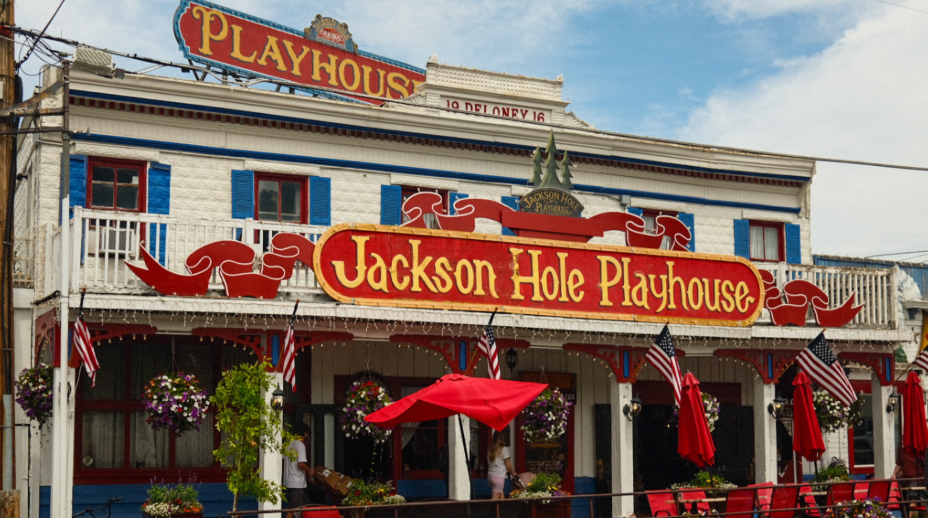
Some of those messages had plenty of personality and flair, too. That same character can still be felt today as tourists explore Jackson Hole, Wyoming’s national parks and its rural communities, where the state’s Western charm and traditions remain part of the experience.
For example, an 1880s butcher shop in Carbon, Wyoming, reportedly displayed a rhyming sign asking customers to pay upfront.
A photographer advertised directly to prospectors with a playful invitation to come in and have their pictures taken. Even a hotel in the former town of Benton promoted “individual towels” as one of its standout amenities, which apparently was a real selling point at the time.
These businesses were doing many of the same things marketers still talk about…
Identifying what made the business different
Creating a memorable message
Placing that message where the right people would see it
Giving customers a reason to stop
Building a reputation people would share with others
The town newspaper was the social feed
Newspapers were an important way to reach growing frontier communities. For example, the front page of the Laramie Daily Sentinel in 1875 featured seven columns of advertising and only one column of commentary.
That feels a little like scrolling through a social media feed today. Businesses wanted to be visible where people were already looking for information, entertainment and local news.
A newspaper advertisement could announce a new product, promote an upcoming event or keep a business name in front of the community. Today, we accomplish the same goal with Facebook posts, Instagram Reels, LinkedIn updates and social media ads.
The format has changed; however, the strategy is still about meeting people where their attention already is… and this is a concept that is still talked about in modern marketing today.

Storefront signs were early search marketing
Location also mattered (and still does for obvious reasons). Businesses near a railroad, main road, or busy part of town had an advantage because more people would naturally pass by.
A clear sign helped someone quickly understand what a business offered and why they should walk in. In some ways, that sign served the same purpose as a Google search result or website homepage today.
If someone searches for a service online, businesses compete to appear in the right place at the right time. SEO helps a company become easier to find, while a strong headline or search description encourages someone to click.
Back then, you wanted the traveler riding into town to notice your sign. Today, you want the potential customer searching online to notice your business.
Proof that visibility has always been valuable!

Product demonstrations became video content
This is a fun one - Kevin got to witness a rendition of a product demonstration while in Wyoming. You can catch a short clip of the real performance in Kevin’s Day in the Life on Instagram.
Businesses had to show people why a product or service was worth their money. Traveling salespeople, public demonstrations, and live entertainment could gather a crowd and create interest.
Buffalo Bill Cody took that idea to an entirely different level with his Wild West show. The performances turned frontier stories, personalities, and action into entertainment that traveled to audiences across the United States and Europe. The show helped shape how people imagined the American West, even if many of its portrayals were exaggerated or harmful.
There is an interesting connection to content marketing here. Buffalo Bill was selling a story, an experience and a recognizable image, all things we see businesses doing on social media today with behind-the scenes content, customer stories and social media personalities.
That’s because people tend to connect with the story around a product before they decide to buy it (and that’s still true today).
Of course, Buffalo Bill’s example also offers a caution that still matters: compelling marketing can strongly influence how people understand a place, culture or group. Getting attention is powerful, which makes accuracy and responsibility important.
Word of mouth was the review section
In small frontier communities, reputation could make or break a business.
People talked. They shared which hotel treated travelers well, which tradesperson did reliable work, and which business should be avoided.
A recommendation from someone you trusted could carry more weight than any sign or newspaper advertisement.
Those conversations still happen today, but they also appear publicly through Google reviews, social media comments, online recommendations and community groups.
A five-star review is the modern version of someone telling their neighbor, “Go see this person. They’ll take care of you.”
The same kind of recommendation still carries weight today, only now it can reach a much larger audience as people often turn to the internet before asking a friend.
Technology has given word of mouth a much larger audience, while trust remains a deciding factor for customers today.
Marketing strategy is consistent over the decades
These days, technology and trends move quickly, and keeping up can feel like a full-time job.
But even as the ways we collect data, share information, and reach customers continue to evolve, the foundation of good marketing hasn’t changed much.
Businesses still need to stay visible, especially in today’s competitive landscape. More importantly, customers need a clear reason to choose one business over another.
We help businesses tell memorable stories, communicate their value, and build reputations worth sharing. Those principles worked on the frontier, and they’re still at the heart of good marketing today!


Comments